
Home EV Charging in 2026: Wallbox Setup, Costs and Installation
In 2026, installing a home charger has become the default choice for most electric vehicle owners. What once felt like a luxury upgrade is now as practical as fitting a new boiler. A dedicated wallbox cuts charging times dramatically, protects your home electrics, and opens the door to cheaper overnight electricity and solar self-consumption. Whether you drive a compact city EV or a large family SUV, understanding your options pays dividends in both convenience and running costs.
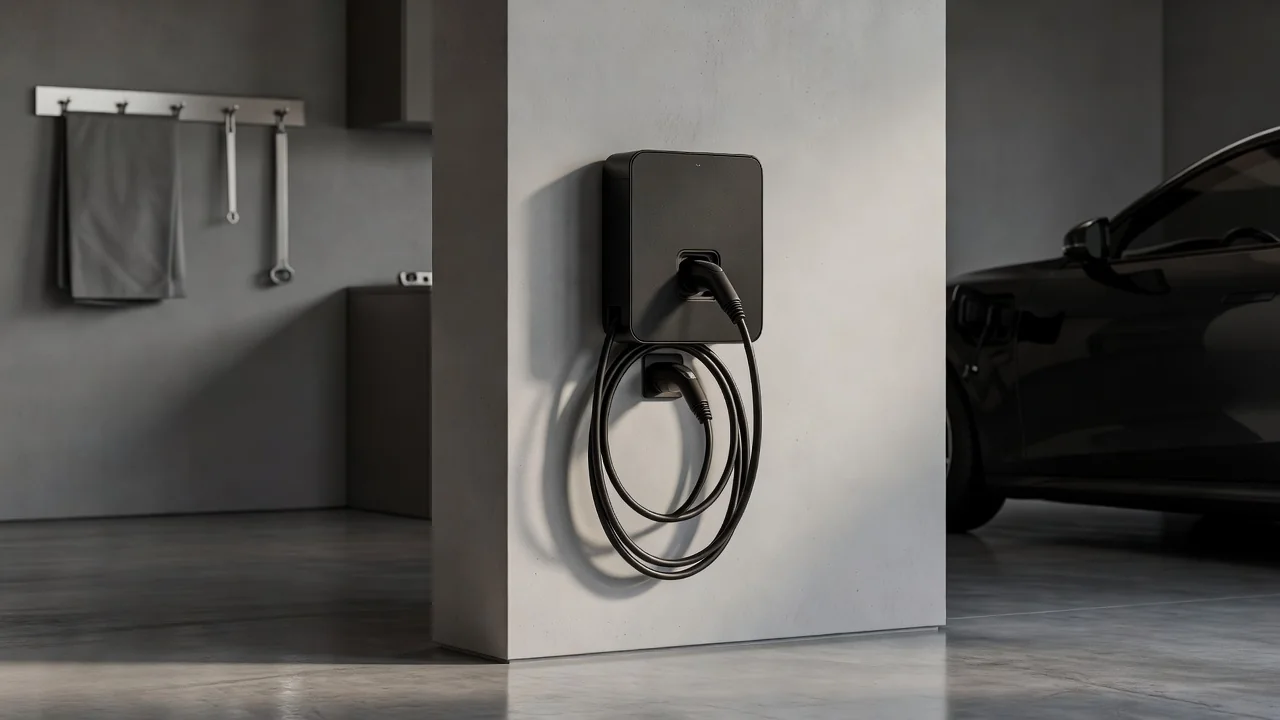
The simplest way to charge remains plugging into a regular 13 A socket. At best this delivers about 2.3 kW, adding roughly 10 miles of range per hour. Fine for occasional top-ups, but far from ideal as your main method. A 7 kW wallbox on a single-phase supply typically doubles that speed, while an 11 kW three-phase unit can push 30–40 miles of range per hour on suitable vehicles. The jump from socket to wallbox also adds safety features such as residual current protection and automatic shut-off that a domestic socket cannot match.
Realistic Costs in 2026
By early 2026, supply chain improvements and increased competition have brought prices down. A good 7 kW smart wallbox now retails for £650–£950. Installation by a certified electrician usually adds £650–£1,200 depending on cable run length, whether the consumer unit needs upgrading, and if a new earth rod is required. Three-phase 11 kW units cost £150–£250 more but can be cheaper to install if your property already has three-phase supply. Total spend for most households lands between £1,400 and £2,100 all-in. Government grants have largely disappeared, yet the lower hardware prices have kept the overall figure stable compared with 2024.
What the Electrician Checks
A professional installer will first assess your consumer unit. Older fuse boxes often lack the spare capacity or modern RCBOs needed for a 32 A or 40 A circuit. They measure the distance from the unit to the parking spot; runs longer than 12 metres usually require thicker 10 mm² cable and push costs higher. Earthing is critical—many older homes need a dedicated earth electrode if the main supply uses a PME system that could otherwise back-feed dangerous voltages during a fault. The electrician also checks for adequate ventilation around the wallbox and confirms the mounting surface can support 4–5 kg without vibration issues.
- Confirm main fuse rating (typically 60–100 A for single-phase homes)
- Test existing earth loop impedance
- Verify cable route avoids damp areas and is protected from impact
- Ensure the chosen wallbox appears on the DNO’s approved list for your area
- Provide a handover pack with Wi-Fi setup instructions and warranty details
Smart Charging and Solar Integration
Modern wallboxes are effectively mini computers. They connect to your home Wi-Fi or Ethernet and talk directly to your electricity supplier’s app. This lets you schedule charging for the cheapest overnight tariffs—often 7–8 p pence per kWh instead of the daytime 28–34 p. Many models also integrate with solar inverters. Excess rooftop generation can be diverted automatically to the car rather than exported at a low rate. On a sunny spring day it is now common to charge 20–30 kWh for free after the system learns your driving patterns and battery state of charge.
| Charging method | Typical cost per kWh | Full charge cost (60 kWh) | Notes |
|---|---|---|---|
| 13 A domestic socket | 28–34 p | £17–£20 | Slowest, least safe long-term |
| 7 kW wallbox (off-peak tariff) | 7.5–9 p | £4.50–£5.40 | Most popular choice |
| 11 kW three-phase + solar | 3–6 p | £1.80–£3.60 | Best for homes with PV |
| Public rapid charger | 55–79 p | £33–£47 | Convenient but expensive |
Renters and apartment residents face extra hurdles. You will usually need written permission from the freeholder or management company. Many now accept installations if the charger is removable and the cable does not cross communal areas. Some blocks install shared chargers in the car park with individual billing via an app; these often cost slightly more per kWh than a private wallbox but still beat public rapid chargers. Always check your lease for clauses about “alterations to the building fabric.”
A full 60 kWh home charge on an off-peak tariff in 2026 typically costs between £4.50 and £5.40. The same battery topped up at a motorway rapid charger can easily exceed £40. Over a year that difference adds up to more than £800 for someone driving 9,000 miles annually. Add the ability to preheat the car on cheap electricity and the case for a home wallbox becomes overwhelming for most owners.
Installation standards continue to tighten, yet the process itself has become smoother. Most certified installers now offer a fixed-price survey within 48 hours and can complete the job in a single day if no major consumer unit work is needed. With EV uptake rising and electricity prices remaining volatile, a well-chosen home charger remains one of the smartest upgrades you can make to your property in 2026.