
EV Road Trips in 2026: Planning Long-Distance Charging Stops
In 2026, electric vehicles have matured enough that a cross-country road trip feels less like an experiment and more like a practical adventure. The key is treating charging as part of the journey rather than an interruption. With 350 kW stations now common along major highways, careful planning turns potential frustration into manageable pauses that often align with meal breaks or quick stretches.
Modern route-planning apps have become indispensable companions. A Better Routeplanner (ABRP) remains the gold standard, factoring in your specific EV model, weather, elevation changes, and real-time charger availability. PlugShare complements it beautifully by crowdsourcing reliability reports and photos of actual station conditions. Together they let you build routes that avoid the dreaded “range anxiety” of earlier years.
Understanding the Charging Curve
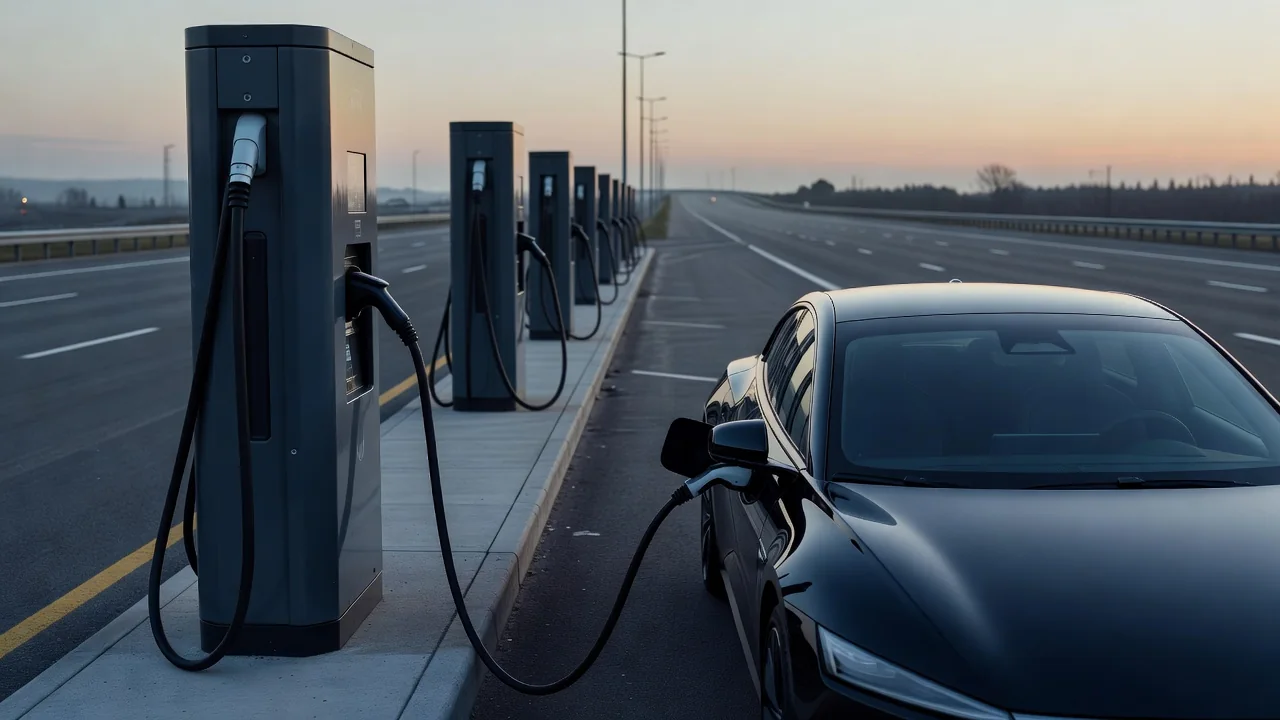
One of the most important concepts for efficient road tripping is the charging curve. DC fast chargers deliver peak power only when the battery is between roughly 10% and 80% state of charge. After 80%, the battery management system throttles the rate dramatically to protect cell health. This means a stop from 10% to 80% on a 250–350 kW charger might take 18–25 minutes, while crawling from 80% to 100% can easily add another 30–40 minutes for very little extra range. Smart trip planning therefore treats 80% as the new full for highway travel.
Realistic Stop Frequency in 2026 EVs
Current long-range EVs with 250–350 kW capability typically require a charging stop every 160–220 miles in real-world summer conditions. That translates to roughly one 20–25 minute stop every 2.5–3 hours of driving. Older models from 2020–2022 often needed stops every 110–140 miles and longer charging sessions due to slower peak rates and less efficient thermal management. The difference feels significant on a multi-day trip: a modern EV might need five stops between Los Angeles and San Francisco, while an older one could require eight.
| EV Generation | Typical Stop Interval | Avg. Charge Time (10-80%) | Effective Speed Impact |
|---|---|---|---|
| 2020–2022 models | 110–140 miles | 28–35 min | ~58 mph |
| 2025–2026 models | 170–220 miles | 18–24 min | ~68 mph |
Payment, Roaming, and Network Reality
Payment has simplified considerably. Most major networks now accept contactless credit cards, dedicated apps, or RFID cards that work across operators through roaming agreements. Still, it pays to have two or three different charging apps installed. During peak summer holidays, popular corridors like I-5 in California or I-95 along the East Coast can see 30–60 minute waits at prime stations. Savvy travelers charge during off-peak hours, slightly before or after mealtimes, or choose slightly less convenient but quieter locations a few exits away.
- Always check PlugShare comments for the past 24 hours before committing to a station.
- Keep a 20% buffer beyond what the app suggests for unexpected headwinds or cold snaps.
- Identify at least one backup station within 30 miles of each planned stop.
- Download offline maps and charger lists for remote stretches with poor cell coverage.
Backup planning is essential. When your chosen charger is occupied or offline, ABRP’s alternate-route button quickly recalculates. Many drivers also build in “safety stations” — reliable locations where they could limp in with very low battery if needed. With experience, these contingencies become second nature rather than sources of stress.
The real joy of 2026 EV road tripping lies in discovering that the stops themselves become highlights: scenic viewpoints with chargers, excellent local coffee shops, or short hikes reachable only because you’re forced to slow down. What once felt like a limitation now feels like an invitation to experience the journey more fully.