
EV Charging Speeds Explained: AC vs DC, kW Ratings and the Charging Curve
Electric vehicle drivers soon discover that not all chargers deliver the same jolt. An AC wallbox at home might trickle in at 7 kW through the car’s onboard charger, adding roughly 30 miles of range per hour on a typical 60 kWh battery, while a 150 kW DC rapid charger on the motorway can push 200 miles of range in the same time when conditions align. The difference stems from where the conversion from alternating current to direct current happens: inside the vehicle for AC or at the charger for DC. UK public networks now quote pence per kWh clearly on apps such as Zapmap, with off-peak rates dipping to 35p and peak motorway stalls hitting 79p, making it essential to understand exactly how many miles each minute at the post actually buys.
Every EV follows a charging curve dictated by the battery management system protecting cell chemistry and temperature. Peak power of 150 kW or even 250 kW is usually available only between 10 and 50 percent state of charge; beyond that the system throttles current to prevent overheating, so the final 20 percent can consume as many minutes as the first 60.
That is why experienced drivers target 10-to-80 percent on long trips, a window that balances speed, battery health and the practical range needed to reach the next stop. GOV.UK guidance now recommends preconditioning the battery via the navigation system before arriving at a rapid charger, ensuring cells sit at the ideal 25-35 °C for maximum acceptance rates rather than arriving cold and accepting half the advertised power.
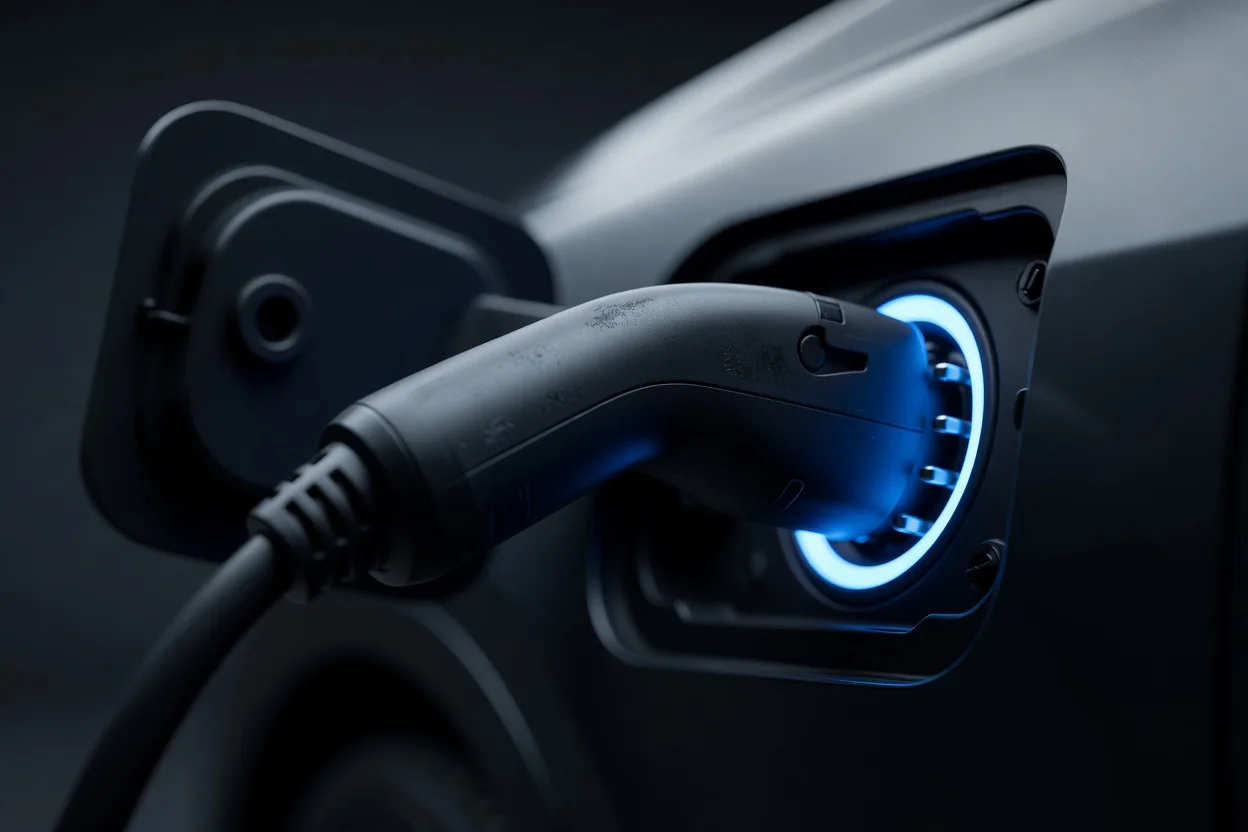
AC Charging and the Onboard Charger Bottleneck
Alternating current charging relies on the vehicle’s internal rectifier, which for most UK models is limited to 7 kW or 11 kW, with a few larger estates and SUVs offering 22 kW three-phase capability. A 7 kW Type 2 home charger therefore replenishes a 75 kWh battery at a maximum 28 miles of range per hour, taking more than 10 hours for a full charge from empty. This is perfect for overnight top-ups at 28p per kWh on a home tariff but useless for a quick motorway pause. The 11 kW units cut that time almost in half while still fitting within standard 32-amp domestic supplies when properly installed.
Even when a 22 kW AC charger is available at a workplace or destination, the car will only draw what its onboard hardware allows; anything more is simply ignored. Drivers should therefore check the vehicle’s specification before paying premium rates for three-phase posts that their battery cannot use. In practice, 90 percent of overnight AC sessions in Britain occur at 7 kW because that matches the majority of installed wallboxes and the 7.4 kW single-phase limit of many older properties.
DC Rapid Charging Bypasses the Car’s Limits
Direct current chargers convert power before it reaches the vehicle, feeding up to 350 kW straight into the battery via the CCS2 inlet now standard on new UK EVs. A 150 kW stall can therefore deliver 180 miles of range in 18 minutes to a car with a 400-volt architecture, provided the state of charge sits in the sweet spot. The latest 800-volt models stretch that further, sustaining higher rates deeper into the charge. Yet even the fastest charger cannot exceed the car’s own maximum acceptance rate, so a model capped at 100 kW will never draw more than that regardless of the 350 kW post beside it.
The Charging Curve in Practice
Modern lithium-ion packs ramp up quickly from 10 percent, hold peak kW until around 50 percent, then taper sharply to safeguard longevity. The last 20 percent might therefore take 25 minutes on a 150 kW charger while the first 60 percent needed only 22. That tapering explains why 10-to-80 percent has become the de-facto road-trip target: it captures most of the rapid phase while leaving margin for the next leg. Navigation systems now automatically route to chargers at the right battery percentage and precondition the pack en route, shaving up to 40 percent off total stop time according to real-world data collected by Zapmap.
Cold batteries compound the problem. Below 10 °C many packs limit intake to 50 kW or less until warmed, which is why leaving the car’s thermal management running while driving toward a rapid charger is critical. Preconditioning uses about 2-3 kWh but can halve the subsequent charging time, easily paying for itself in minutes saved on a 300-mile journey.
Shared Stalls and Real-World Variables
Motorway sites often pair two 150 kW outlets on a single 300 kW supply. When both are occupied the power splits, sometimes dropping each car to 75 kW and doubling wait times. The same principle applies at 350 kW ultra-rapid hubs where four vehicles may share a 1 MW grid connection. Drivers therefore benefit from choosing quieter locations or charging when state of charge is lowest to secure the biggest slice of available power before tapering begins.
Why a 350 kW Charger Cannot Help a 100 kW Car
The vehicle’s battery management system, cooling circuit and cable gauge set hard limits. A car engineered for 100 kW maximum will throttle at that figure even if plugged into a 350 kW charger. Paying the higher pence-per-kWh tariff at ultra-rapid sites therefore yields no benefit and can actually cost more per mile. Checking the manufacturer’s peak DC rate before setting off prevents this expensive mistake; most family SUVs sit between 100 and 150 kW while performance models reach 250 kW or higher.
- Always precondition the battery via the sat-nav at least 10 minutes before arriving at a rapid charger.
- Target 10-to-80 percent on motorways rather than waiting until the warning light appears.
- Choose the least busy stall when multiple rapid chargers share a single grid connection.
- Keep the car plugged in until the rate drops below 50 kW to maximise every paid minute.
- Avoid charging from 80 percent unless you genuinely need the extra miles for the next leg.
- Check the vehicle’s maximum acceptance rate before paying premium ultra-rapid tariffs.
| Charger Class | Peak Power | Typical 10-80% Time | Range Added |
|---|---|---|---|
| AC Home | 7 kW | 7 hrs | 170 miles |
| AC Destination | 22 kW | 3 hrs | 180 miles |
| Rapid | 50 kW | 55 min | 140 miles |
| Ultra-Rapid | 150 kW | 22 min | 190 miles |
| Ultra-Rapid+ | 350 kW | 18 min | 210 miles |
Master these fundamentals and every charging stop becomes quicker and cheaper, turning range anxiety into relaxed miles on Britain’s expanding rapid network.