
Used EV Buying Checklist 2026: Battery Health and Beyond
Shopping for a used electric vehicle in 2026 no longer means gambling on battery condition. With better diagnostics widely available and more transparent data from manufacturers, buyers can now make informed decisions. A solid checklist helps you avoid costly surprises and focus on vehicles that still deliver strong range and performance years after leaving the showroom.
Start with the battery health report. Most dealers can pull a full state-of-health (SoH) reading through the vehicle’s diagnostic port in under five minutes. Independent apps that connect via OBD-II adapters, such as those from LeafSpy, TeslaScan or dedicated EV-specific tools, give you similar data on the spot. Third-party battery certificates from companies like EV Battery Analytics or accredited garages now come standard on many ex-fleet cars. Look for anything above 88% SoH on a three-year-old vehicle; below 82% should trigger deeper questions or a price adjustment.
Understanding Warranty and Charging History
Battery warranties in 2026 typically run eight years or 100,000–160,000 miles depending on the brand. Most transfer automatically to second owners, but confirm this in writing. Ask for the original warranty document or check the manufacturer’s online portal using the VIN. A remaining warranty covering 60% capacity is a significant safety net that can add hundreds in resale value later.
DC rapid charging history matters. Vehicles that have spent their lives on public fast chargers often show slightly accelerated capacity fade. Some brands now log cumulative DC kWh throughput; ask the seller or dealer to share it. More than 40% of lifetime energy coming from DC fast charging on a 2023 model is worth noting but not necessarily a deal-breaker if the SoH still reads strong.
Physical and Software Checks
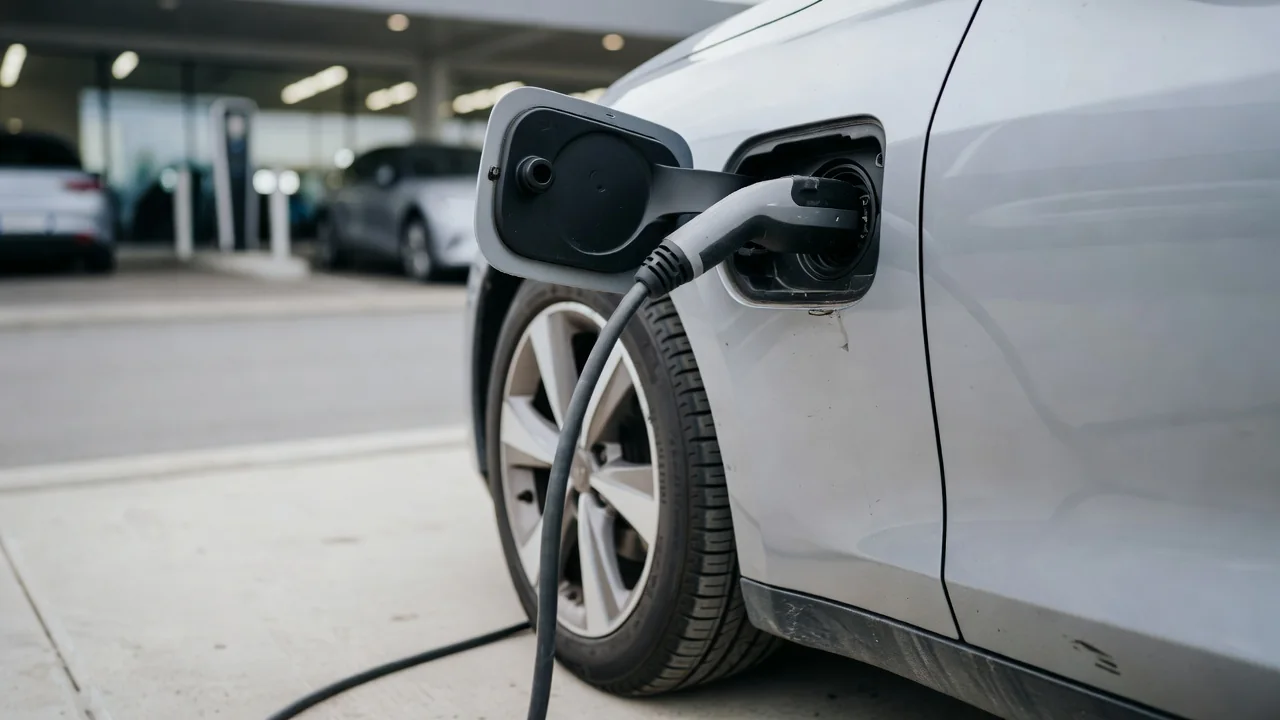
Inspect the charging port and cables carefully. Look for bent pins, melted plastic, or corrosion around the contacts. Test both the onboard AC charger and DC fast-charge capability during your visit. A hesitant or unusually slow session can point to cooling system problems or outdated software. While you’re at it, verify that the car has received all manufacturer over-the-air updates and that any open recalls have been completed. Most brands now show update history in the infotainment screen or mobile app.
Pricing signals remain encouraging. Three-year-old ex-lease EVs often represent the sweet spot. Fleet operators typically maintained them meticulously, and many come with low mileage and the majority of the original battery warranty intact. These cars frequently trade at 45–55% of their original MSRP, making them compelling against new models that still carry full sticker prices.
| Item | What to Check | Red Flag Threshold |
|---|---|---|
| Battery SoH | Dealer scan or OBD app | Below 82% on 3-year-old car |
| Warranty remaining | Original docs or VIN portal | Less than 4 years or 50k miles |
| DC fast-charge cycles | Logged energy data | Over 45% of total kWh from DC |
| Charging port | Visual and functional test | Burn marks or slow charging |
| Software status | Infotainment screen | Missing recalls or updates |
Test Drive and Seller Questions
On the test drive, listen for unusual motor whine, suspension clunks, or tyre noise that might indicate alignment issues common in heavier EVs. Pay attention to how the car accepts a charge mid-drive if you can arrange a quick top-up. Any fault messages or reduced power mode should end the conversation immediately.
Questions differ depending on whether you face a private seller or a dealer. From a private owner ask: How many fast-charge sessions per week? Have you ever driven with a very low battery? Why are you selling? For dealers, focus on: Can you provide a recent battery report? Has the car been in any fleet programme? Is the remaining warranty transferable with documentation?
- Bring your own OBD scanner or hire a mobile EV specialist for £120–180
- Never skip a pre-purchase battery diagnostic even if the car looks perfect
- Factor in potential future battery replacement costs but remember most 2023–2024 EVs will comfortably outlast their warranties
- Compare total cost of ownership including cheaper electricity, lower servicing and potential home charger grants still available in some regions
Following this checklist turns the 2026 used EV market from a leap of faith into a calculated purchase. The data is there; the tools exist. Use them and you’ll drive away with confidence and years of low-cost, emissions-free motoring ahead.