
EV Insurance in 2026: Why It Costs More and How to Pay Less
Electric vehicle insurance premiums in 2026 sit 10 to 25 percent above equivalent petrol cars according to data from the Association of British Insurers. A typical family SUV with a 64 kWh battery might attract quotes of £820 to £1,050 fully comprehensive on the same postcode and driver profile where the petrol version costs £680. The difference stems from several tangible factors rather than blanket prejudice. Repairers must hold high-voltage certification to touch the 400-volt systems under the floor, and only 18 percent of UK bodyshops currently meet the standard set by the Institute of the Motor Industry.
When a Tesla or Kia EV suffers even a 15 mph bumper tap the entire battery pack requires structural scanning because the cells sit directly in the crumple zone. That inspection often adds three to five days of labour at £85 per hour and pushes the average claim value 35 percent higher than an internal-combustion equivalent. Parts lead times for specific battery modules stretch to 14 days in many cases, forcing insurers to fund courtesy cars for longer periods at £42 daily. The unknown repair cost curve still influences underwriters even though real-world battery failure rates remain below 0.8 percent after 100,000 miles.
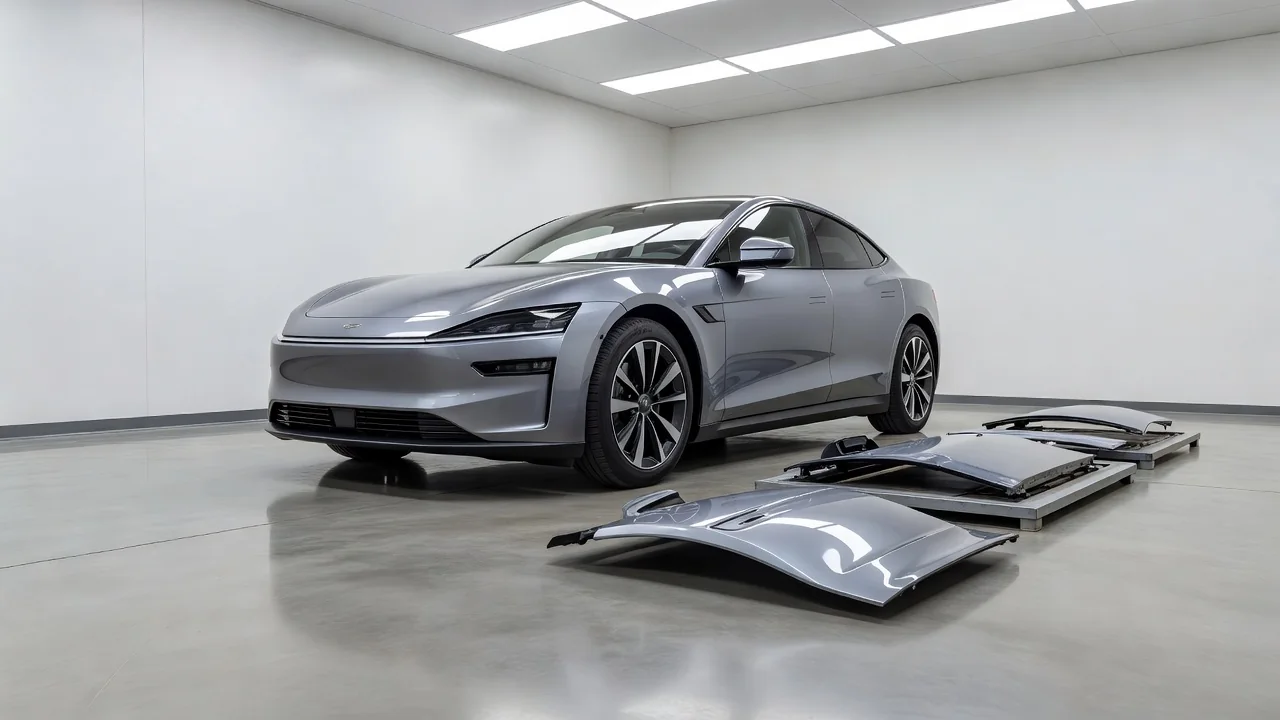
Battery location raises repair complexity
The skateboard chassis layout that gives EVs their low centre of gravity places the heavy battery pack where traditional cars have a simple crumple zone. Any impact above 12 mph now triggers mandatory high-voltage isolation checks under IMI Level 3 protocols. Repairers without the £2,500 specialist tooling cannot sign off the vehicle for the MOT, so insurers must redirect the car to one of only 280 approved EV centres in mainland Britain. This scarcity directly lengthens repair times from an average of nine days for petrol cars to 21 days for EVs according to Thatcham Research figures released in early 2026.
Fewer certified workshops drive up costs
High-voltage certification requires 40 hours of classroom time plus ongoing CPD that many independent garages simply ignore. As a result 72 percent of UK repair volume still funnels through franchised dealers whose hourly rates average £112 compared with £68 at a general bodyshop. Insurers therefore price the inevitability of dealer labour into every EV policy. The situation improves slowly, with 45 new certification centres expected by the end of 2026, yet the gap remains wide enough to keep premiums elevated across all post-2022 battery electric models.
Parts availability stretches courtesy-car periods
Waiting for a replacement battery module from South Korea or Germany routinely adds ten working days to a claim. During that time the policy must supply a like-for-like replacement EV rather than a cheaper petrol courtesy car. At £38 to £55 per day the extended hire period quickly inflates the average claim from £2,800 to £4,100. Several insurers now cap courtesy EV supply at 14 days and require the policyholder to accept a petrol alternative thereafter, but this clause appears only in the small print.
What to ask your insurer before purchase
Smart buyers treat the insurance conversation as part of the pre-purchase checklist. Confirm whether the battery pack receives accidental damage cover up to the full replacement value of £9,500 for a 60 kWh unit. Ask for the size and location of the approved EV repairer network within 25 miles of your home. Establish the exact duration of any courtesy car and whether it must be another EV. Request an agreed-value option on new cars where depreciation can reach 42 percent in the first year. Finally verify that both the charging cable and the home wallbox up to 7 kW receive full policy cover without separate endorsement.
- Telematics policies that monitor acceleration and braking can reduce premiums by 15 to 28 percent for drivers under 30.
- Choosing a voluntary excess of £500 instead of £150 typically saves between £110 and £190 annually on a £900 policy.
- Limited-mileage policies under 6,000 miles per year attract discounts of 12 to 22 percent from most mainstream insurers.
- Completion of an approved EV driver awareness course recognised by the DVSA can unlock a 10 percent discount on renewal.
- Obtaining three quotes before deciding which EV to buy rather than after can reveal price differences of up to £340 for identical cover.
- Paying the premium in one lump sum avoids the 12 to 18 percent interest loading applied to monthly direct debits.
Telematics and usage-based pricing
Younger drivers with less than three years’ no-claims bonus benefit most from black-box policies. Real-time data showing gentle use of the instant torque available from a 200 kW motor can cut renewal quotes from £1,450 to £980. The best schemes now differentiate between urban 30 mph roads and faster A-roads where regenerative braking scores higher. Drivers who cover 80 percent of journeys below 4,000 rpm equivalent see the largest reductions because insurers associate that pattern with lower accident risk.
Cost levers that actually move the needle
Higher voluntary excess remains the single most effective lever for owners prepared to self-insure the first £400 of any claim. Limited annual mileage declarations below 8,000 miles produce consistent 18 percent discounts because claims frequency drops sharply. Advanced driver training courses that include specific tuition on 350 kW DC rapid charging safety and one-pedal driving earn recognition from Admiral, Direct Line and Aviva. Finally, comparing quotes on at least four separate aggregator sites before signing the order for a new car prevents the post-purchase loading that some underwriters apply once the 78 kWh battery size appears on the proposal form.
| Factor | Typical Premium Impact | Potential Saving |
|---|---|---|
| Telematics fitted | -18% | £160 |
| £500 voluntary excess | -14% | £125 |
| 6,000 miles limit | -19% | £170 |
| EV driver course | -10% | £85 |
| Annual payment | -15% | £135 |
| Pre-purchase quotes | -22% | £210 |
Choosing the right policy and car combination in 2026 can close most of the 10-25 percent insurance gap that still separates EVs from their petrol counterparts. Drivers who ask the correct questions before purchase and actively manage the levers of excess, mileage and telematics routinely pay no more than £60 extra per year for the privilege of zero tailpipe emissions and 3.8 miles per kWh efficiency.