
EV Incentives and Tax Breaks in 2026: What Is Actually Still Available
The UK’s electric vehicle incentive framework for 2026 remains surprisingly robust despite successive Budget tweaks, with the Electric Car Grant now offering a straight £1,500 reduction on models priced below £37,000 that meet basic sustainability criteria and a full £3,750 for those achieving the highest recycled-content and battery-chemistry scores.
Drivers can still offset a significant slice of the upfront cost at the point of sale, while company-car users benefit from Benefit-in-Kind tax sitting at just 2 percent this tax year, climbing by one percentage point annually until it reaches 5 percent in 2029. That 2 percent rate on a £45,000 electric SUV translates to roughly £75 monthly tax for a 40 percent taxpayer, making the switch compelling even as petrol and diesel rates sit between 26 and 37 percent.
Businesses continue to enjoy 100 percent first-year capital allowances on qualifying EVs, and the expensive-car supplement threshold has been lifted to £50,000 for zero-emission models, shielding many popular family crossovers from the extra £410 annual VED hit that kicks in from April 2026. Home charging infrastructure grants of £350 per socket remain available for renters, leaseholders and landlords installing Type 2 or CCS2 points, provided the installation meets PAS 63100 safety standards.
Salary sacrifice schemes have become the single largest lever for employees, delivering combined income tax and National Insurance savings of between 20 and 40 percent on the full lease cost depending on marginal rate. Always cross-check the latest figures on GOV.UK, because each Budget can quietly move the goalposts.
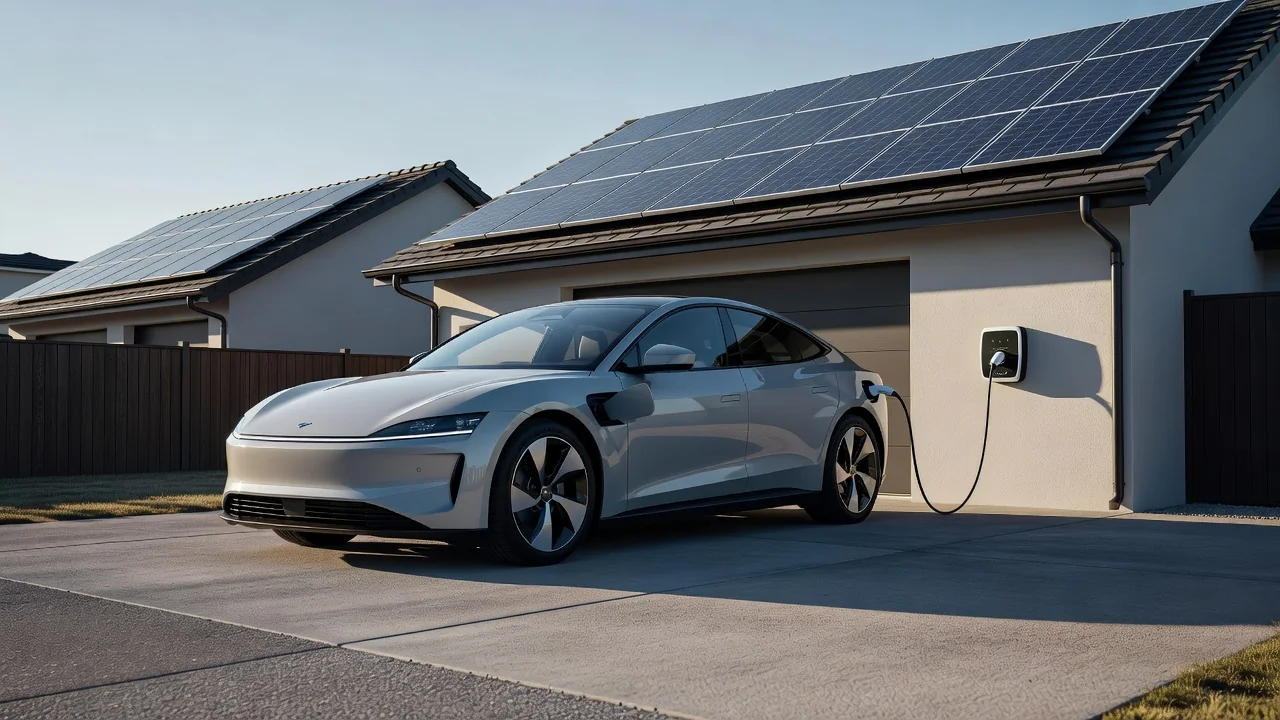
The Electric Car Grant in 2026
From 1 April 2026 the plug-in grant is paid directly at the dealership and cannot be claimed retrospectively, so ordering the car before signing the finance agreement is essential. Only vehicles with a list price below £37,000 qualify, and the £3,750 higher band demands that at least 50 percent of the battery cells are manufactured in the UK or EU under the latest rules. A typical £34,500 hatchback therefore drops to £30,750 after the lower grant, shaving almost 11 percent off the on-the-road price. Buyers must still pay the full VAT upfront and cannot deduct it later unless the car is bought by a VAT-registered business.
Benefit-in-Kind and Salary Sacrifice
Company car drivers enjoy a 2 percent Benefit-in-Kind rate on EVs in the 2026-27 tax year, rising to 3 percent the following April. For a higher-rate taxpayer this can mean monthly tax of £60-£90 on a £42,000 long-range model, compared with £350-plus for an equivalent petrol alternative. Salary sacrifice arrangements amplify the advantage because the lease payment is taken from gross salary, saving both income tax at 20 or 40 percent and employee National Insurance at 8 percent. Many fleets report effective monthly savings of 25-35 percent versus personal contract hire paid from net income. Employers still reclaim the VAT on the lease and can claim 100 percent capital allowances in year one.
VED and the Expensive Car Supplement
Zero-emission cars registered after 1 April 2025 lose their permanent VED exemption, but the first-year rate remains £0 provided the vehicle emits nothing at the tailpipe. From year two the flat rate of £195 applies until the car reaches its sixth birthday. The expensive-car supplement, however, now only bites above the new £50,000 threshold for EVs, adding £410 a year for five years. A £48,500 model therefore avoids this entirely, while a £52,000 luxury saloon will pay the supplement on top of the standard rate, adding £2,050 over the five-year period. Always factor the exact list price including options when ordering.
Capital Allowances for Businesses
Businesses purchasing or leasing EVs through a company balance sheet can write off the entire cost against corporation tax in the first year thanks to 100 percent first-year allowances. A £60,000 commercial van therefore delivers an immediate £15,000 corporation-tax saving at the 25 percent main rate. The allowance applies equally to outright purchase and hire purchase but not to pure operating leases. Fleet operators combining this relief with the 2 percent Benefit-in-Kind rate create a powerful tax-efficient package that often beats diesel on whole-life cost even before fuel savings are counted.
Chargepoint Installation Grants
Renters, flat owners and private landlords can claim up to £350 per socket towards the installation of a smart Type 2 or CCS2 charger, provided the work is carried out by an OZEV-approved installer. The grant is capped at 75 percent of total cost and requires the property to lack an off-street driveway in many urban cases. Landlords installing points for tenants may claim the grant once per dwelling every three years. Combined with the £950 EV charger installation deduction against rental income, the net cost of a £1,200 wallbox can fall below £400 for a basic 7 kW unit.
- The Electric Car Grant is applied at the point of sale and cannot be reclaimed later by the customer.
- Benefit-in-Kind tax on EVs starts at 2 percent in 2026-27 and increases by one point each April.
- Salary sacrifice delivers income tax and National Insurance savings of 20-40 percent on the full lease cost.
- The expensive-car supplement threshold for zero-emission vehicles rises to £50,000 from April 2026.
- Businesses may claim 100 percent first-year capital allowances on qualifying EVs and chargepoints.
- Chargepoint grants of £350 per socket remain open to renters, leaseholders and landlords meeting safety criteria.
| Scheme | Amount | Eligibility Cap | Notes |
|---|---|---|---|
| Electric Car Grant | £1,500-£3,750 | £37,000 | Applied at dealer |
| BIK rate 2026-27 | 2% | Zero-emission only | Rises 1% pa |
| VED supplement threshold | £50,000 | List price inc options | £410 pa for 5 yrs |
| Chargepoint grant | £350 | Per socket | Renters & landlords |
| First-year allowance | 100% | Any business EV | Against CT |
Schemes evolve with every Budget, so checking the latest GOV.UK pages before ordering or signing any contract remains the only reliable way to secure every available pound of support in 2026.