
How to Choose the Right EV in 2026: Range, Body Style and Budget
By the time you start shopping for an electric vehicle in 2026, the market will feel both mature and overwhelming. Battery prices have dropped, fast-charging networks are denser, and almost every mainstream brand offers at least three EV models. The trick is ignoring the headline numbers and focusing on how you actually live. Begin with a honest audit of your weekly mileage and where you can charge. Most owners discover they rarely need more than 250 miles of real-world range once they understand their routine.
Typical UK or European commutes sit between 18 and 35 miles a day. Add the school run, supermarket trips and the occasional weekend visit to relatives, and annual mileage for many households stays under 9,000 miles. That means a car with 220-280 miles of usable range on a mild day will cover 95 % of journeys without ever visiting a public charger. The remaining 5 % – the long holiday trip or unexpected detour – is where route planners and 150 kW+ charging become useful rather than daily necessities.
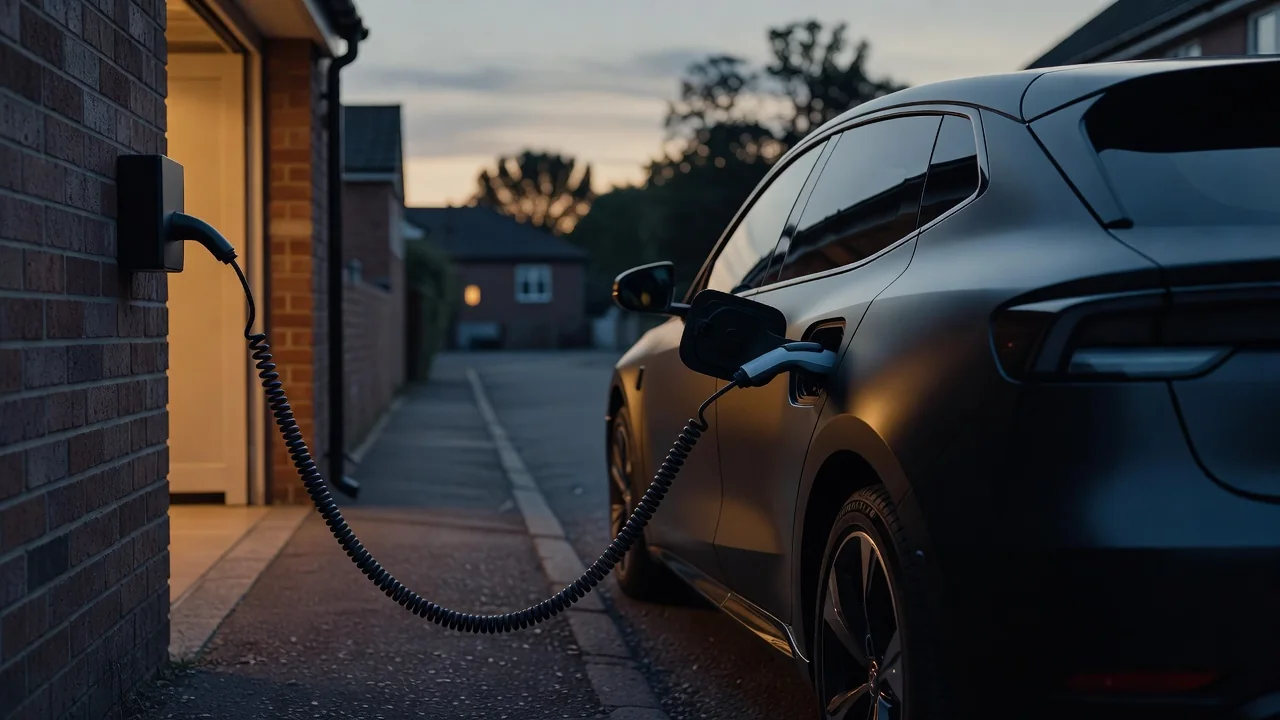
Match the Body Style to Your Real Life
City dwellers squeezing into tight parking spots usually thrive with a compact hatchback such as the updated Renault 5 or Peugeot e-208. These cars are nimble, cheap to insure and easy to charge at lamp-post points. Families who carry dogs, buggies and sports kit tend to prefer crossover or SUV shapes. The extra height makes sliding child seats easier and the higher ride improves visibility. Those who need maximum load space without the SUV stance should look at estate versions like the forthcoming Skoda Enyaq Estate or MG4 Long Range Tourer. Choosing the wrong silhouette is the single most common regret reported by first-year EV owners.
Budget, Battery Size and Charging Reality
New EVs start around £26,000 after any remaining incentives, while two-year-old ex-demo cars with low mileage can be found from £18,000. A larger battery adds weight, cost and charging time. A 60 kWh pack typically charges from 10-80 % in 25 minutes on a 150 kW station; jump to 90 kWh and you may wait 38 minutes for the same percentage because the peak power curve flattens. For drivers with home charging, the smaller battery often makes more financial sense. Those without driveway access benefit from bigger packs only if they can reliably use rapid chargers during off-peak hours.
Test-drive every shortlisted car with these EV-specific checks in mind. Try one-pedal driving at different regeneration strengths – some systems feel abrupt, others almost invisible. Ask to switch between Eco, Normal and Sport modes to see how range predictions change. Make sure the heat pump works efficiently; many older EVs still rely on resistive heaters that slash winter range by 30 %. Sit in the back, open the boot with shopping bags in hand, and note how the charging cable feels in real life.
| Body Style | Typical Range Needed | Best New Price Band 2026 | Common Use Case |
|---|---|---|---|
| City Hatch | 180-240 mi | £24-29k | Urban commuting, limited parking |
| Family Crossover | 260-340 mi | £32-42k | School runs, weekend escapes |
| Estate / Tourer | 280-380 mi | £36-48k | Heavy luggage, dog owners |
Avoid the Classic First-Buyer Mistakes
The biggest error is buying more battery than you will ever use. Every extra 10 kWh adds roughly £1,800 to the price and 50 kg to the kerb weight. Many new owners also overlook that insurance premiums for EVs can vary wildly even within the same model range because repair costs differ between battery sizes. Finally, resist the temptation to order the top-spec version with every driver-assist gadget before you have lived with basic adaptive cruise and lane-keep for a month. Start simple, learn what you actually value, then upgrade when the lease ends.
Take your time, drive at least three different cars back-to-back, and remember the perfect EV is the one that matches your actual routine rather than the fantasy version of your life. In 2026 that choice has never been wider or more personal.
- Calculate your longest regular journey, then add 30 % for cold weather and hills
- Prioritise home or workplace charging access over headline range
- Book extended test drives that include motorway, city and hill sections
- Compare total cost of ownership, not just sticker price
- Check real-user data on charging speeds rather than lab figures