
Winter Driving and Highway Range: What Cold Does to an EV
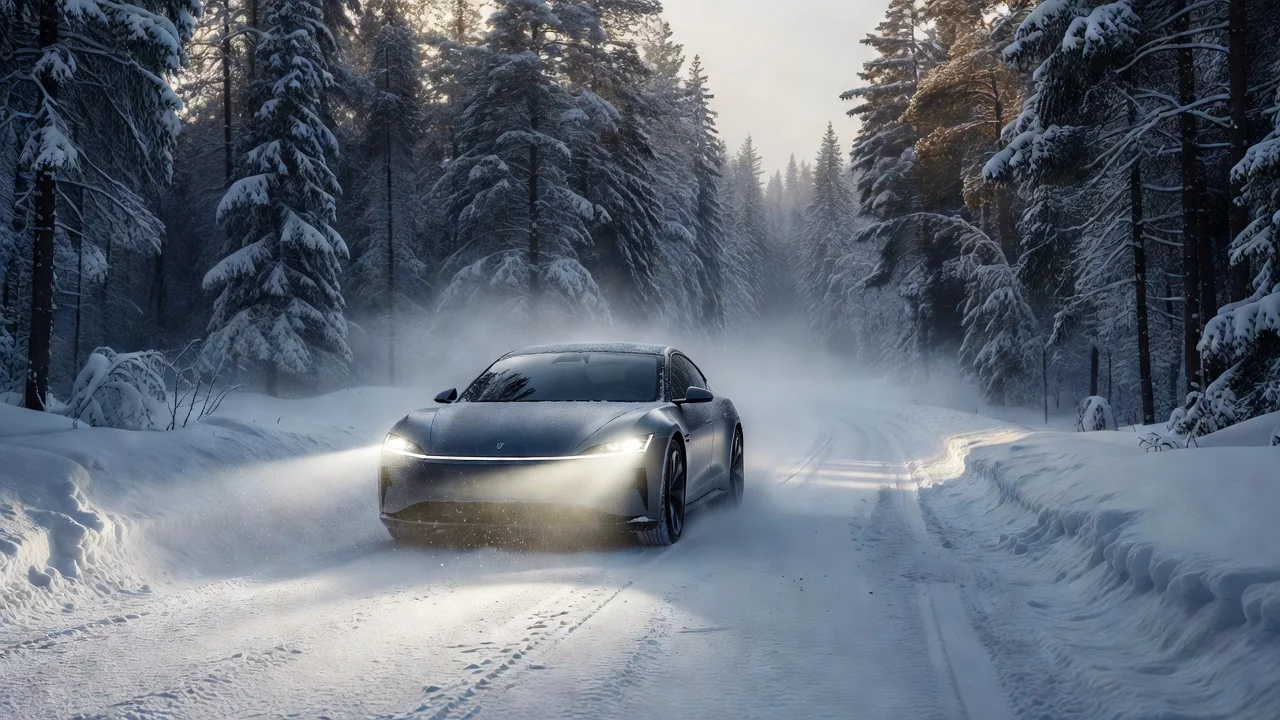
In 2026, electric cars have become everyday companions for many drivers, yet winter still tests their limits. When temperatures drop below freezing, battery chemistry slows, cabin heaters pull serious power, and range can shrink faster than most owners expect. Real-world tests show typical losses of 15–30 percent depending on how cold it gets and whether the heater runs constantly. A crisp −5 °C morning commute in a family SUV might turn a 280-mile summer rating into just 210 miles if you’re not careful.
Highway speeds compound the problem. Aerodynamic drag increases with the square of velocity, so cruising at 75 mph instead of 55 mph can cost another 25 percent of remaining energy even before cold-weather effects are added. The combination of winter temperatures and fast motorway running is where range anxiety feels most real.
Why Heat Pumps Beat Heated Seats
Modern EVs offer heated seats and steering wheels that feel luxurious, yet they sip only 100–300 watts each. A resistive cabin heater, by contrast, can draw 6 kW or more. Heat pumps, now standard on most 2026 models from brands like Tesla, Hyundai and BMW, move heat rather than create it. In moderate cold they use roughly half the energy of old-style heaters. Pair the heat pump with seat heaters on low and you can stretch winter range by 8–12 percent compared with blasting the cabin fan alone. The difference is most noticeable on longer trips where every kilowatt-hour counts.
Physics, Tyres and Pre-conditioning
Speed is the silent range killer. At 70 mph the air resistance a typical SUV must push through is more than twice what it faces at 50 mph. Cold air is denser too, adding a few extra percentage points of drag. Winter tyres with their softer compounds and deeper tread increase rolling resistance by around 5–8 percent versus summer rubber, but they are non-negotiable for safety on ice.
The smartest move is pre-conditioning. While still plugged in at home or at a destination charger, warm the battery and cabin to 20 °C. This uses grid power instead of battery energy and brings the cells to an efficient temperature before you leave. Leaving with a warm battery can add 15–20 real-world miles on a cold day. Many 2026 navigation systems now suggest optimal departure times based on weather forecasts so the car pre-heats automatically.
- Keep speeds between 55–65 mph on motorways when range is tight
- Use seat heaters before cabin heat
- Pre-condition while plugged in whenever possible
- Leave an extra 20 percent buffer on winter trips
- Check tyre pressures weekly; cold shrinks them fast
Charging in the Cold
Cold batteries accept direct-current fast charging more slowly. A 2026 long-range EV that can swallow 150 kW at 20 °C might drop to 80 kW or less at −10 °C if the battery hasn’t been pre-heated. Most new models automatically route some energy to warm the pack during the first minutes of a session, but this still costs time and range. Plan stops with 25 percent more margin than you would in summer. A journey that needed one 20-minute top-up in July may require two shorter stops in January, ideally at stations with 350 kW chargers that can recover usable charge even at reduced rates.
| Temperature | Typical Range Loss | Best Mitigation |
|---|---|---|
| Above 5 °C | 5–10 % | Moderate speed, seat heat |
| −5 to 5 °C | 15–22 % | Heat pump + preconditioning |
| Below −10 °C | 25–35 % | Extra charging buffer, lower speeds |
Winter driving in an EV is less about dramatic range collapse and more about small, consistent decisions. Drive smoothly, plan stops early, and treat the car’s thermal systems as allies rather than accessories. Owners who master these habits routinely report that their 2026 EVs remain practical even on the shortest, coldest days of the year. The key is understanding that cold weather doesn’t break the physics; it simply asks you to respect them a little more.