
What Happens to Old EV Batteries? Recycling and Second Life in 2026
Electric vehicle batteries rarely fail completely. Most packs in the UK retain between 70 and 80 percent of their original capacity after 100,000 to 150,000 miles, at which point manufacturers such as those supplying Nissan, Jaguar and BMW deem them unsuitable for automotive use. Instead of heading to landfill, these units typically enter a second-life phase as stationary energy storage. A typical 60 kWh pack retired from a family hatchback can still deliver reliable power for a domestic solar installation or support a rapid charger buffer, storing excess renewable generation at rates as low as 12 pence per kWh. This transition extends the useful life of the battery by another eight to twelve years while reducing pressure on raw material supply chains.
Once a second-life application is no longer viable, the pack moves to specialist recycling facilities across Europe. Modern hydrometallurgical plants shred the modules into black mass, then use chemical processes to recover more than 95 percent of the lithium, nickel, cobalt and copper. The UK government, working alongside EU battery directives, now mandates increasing recycled content quotas in new packs, with targets rising to 25 percent cobalt and 12 percent lithium by 2030.
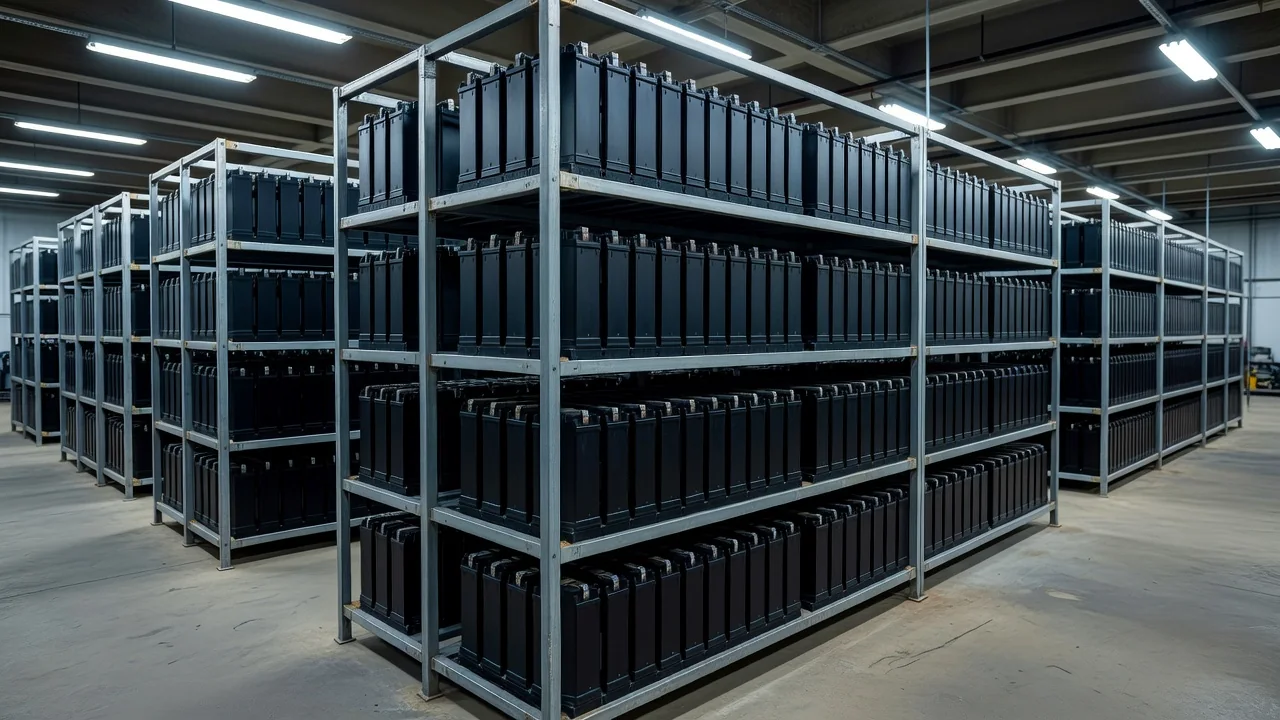
Second-life applications extend battery value
UK energy firms are rapidly adopting second-life EV batteries for grid support and domestic storage. A 40 kWh pack removed from a five-year-old electric SUV can provide 8 kW of continuous output for a home with rooftop solar, cutting a typical household electricity bill by £280 per year at current 28 pence per kWh rates. National Grid ESO has piloted projects using hundreds of retired packs to stabilise frequency at rapid charging hubs along the M25 and M6, delivering up to 2 MW of instantaneous response. These stationary systems operate at lower C-rates than in vehicles, which dramatically slows further degradation and maximises residual value before recycling.
Buy-back and trade-in programmes offered by several major manufacturers now credit owners between £1,200 and £2,500 depending on pack capacity and state of health. GOV.UK guidance encourages motorists to use approved schemes that guarantee the battery stays within the regulated reuse chain rather than entering the informal export market. This closed approach ensures traceability from the driveway to the second-life installation or the recycling plant.
Recycling process recovers critical metals
At dedicated UK and European facilities the battery pack is first discharged, then dismantled into modules under controlled conditions. The cells are shredded in an inert atmosphere to produce black mass, a powder rich in valuable materials. Hydrometallurgical refining then separates lithium carbonate, nickel sulphate, cobalt sulphate and copper foil with recovery rates exceeding 90 percent for each metal. The recovered materials meet automotive-grade purity and return directly to cell manufacturers, lowering the carbon footprint of new batteries by up to 40 percent compared with virgin mining routes.
Lithium-iron-phosphate (LFP) chemistry, increasingly common in affordable models available in Britain, changes the economic equation. Without nickel or cobalt, the primary recoverable value lies in lithium and copper, yet modern plants still achieve 92 percent lithium recovery. This makes LFP recycling viable at current material prices while removing the ethical concerns associated with cobalt supply chains. The process produces minimal waste, with electrolyte and plastics also treated to EU standards.
Safety and transport regulations protect workers and public
Damaged or faulty EV batteries must be transported under the ADR hazardous goods rules, requiring specialist packaging and trained operators. UK operators follow strict MOT-style inspections before movement, with packs below 30 volts considered non-hazardous for certain routes. Fire suppression systems using aerosol agents are mandatory inside recycling plants, and thermal imaging cameras monitor every stage to prevent runaway events. These measures have kept incident rates below 0.02 percent across European facilities handling more than 25,000 tonnes of packs annually.
EU recycled content quotas drive market change
From 2027 new EV batteries sold in the UK must contain a minimum proportion of recycled materials under rules aligned with the EU Battery Regulation. Cobalt must include at least 16 percent recycled content, nickel 6 percent and lithium 6 percent, rising in subsequent years. Manufacturers are already securing long-term offtake agreements with recyclers such as those operating the new facility near Birmingham, ensuring a domestic supply of secondary materials. This regulatory push is expected to reduce reliance on imported refined metals and stabilise prices that have fluctuated by more than 300 percent in the past four years.
Closed-loop systems lower long-term battery prices
By feeding recovered metals straight back into gigafactories, the industry can cut the material cost component of a typical 75 kWh pack by between £1,800 and £2,400 within the next decade. Lower raw material demand also reduces exposure to geopolitical price spikes in lithium and nickel. British consumers ultimately benefit through cheaper new and used EVs, with industry analysts forecasting a 12 to 18 percent reduction in pack prices by 2032 attributable to efficient recycling loops. The circular model also supports UK jobs, with recycling and second-life sectors projected to employ more than 4,000 people by 2028.
- EV batteries typically leave vehicles with 70-80 percent capacity remaining after 100,000-150,000 miles.
- Second-life stationary storage can operate for a further 8-12 years in solar homes or grid buffers.
- Hydrometallurgical recycling recovers over 90 percent of lithium, nickel, cobalt and copper.
- EU-aligned quotas will require 25 percent recycled cobalt in new UK batteries by 2030.
| Material | Typical Recovery | Current UK Value (£/kg) | Projected 2030 Quota |
|---|---|---|---|
| Lithium | 92% | 18.50 | 12% |
| Nickel | 95% | 14.20 | 15% |
| Cobalt | 96% | 32.80 | 25% |
| Copper | 98% | 6.10 | — |
| Aluminium | 91% | 2.40 | — |
The landfill myth surrounding EV batteries is firmly debunked by recovery rates above 90 percent for key metals in modern UK and European plants. A mature circular economy for battery materials will keep costs down, support renewable energy integration and ensure Britain maintains a secure, ethical supply chain well beyond 2026.